What SEER Actually Buys You When You're Comparing AC Systems
The SEER rating on a new system is more than a sticker number. Here's what it measures and how to weigh it against what each tier actually costs.
August 26, 2026 · 3 min read
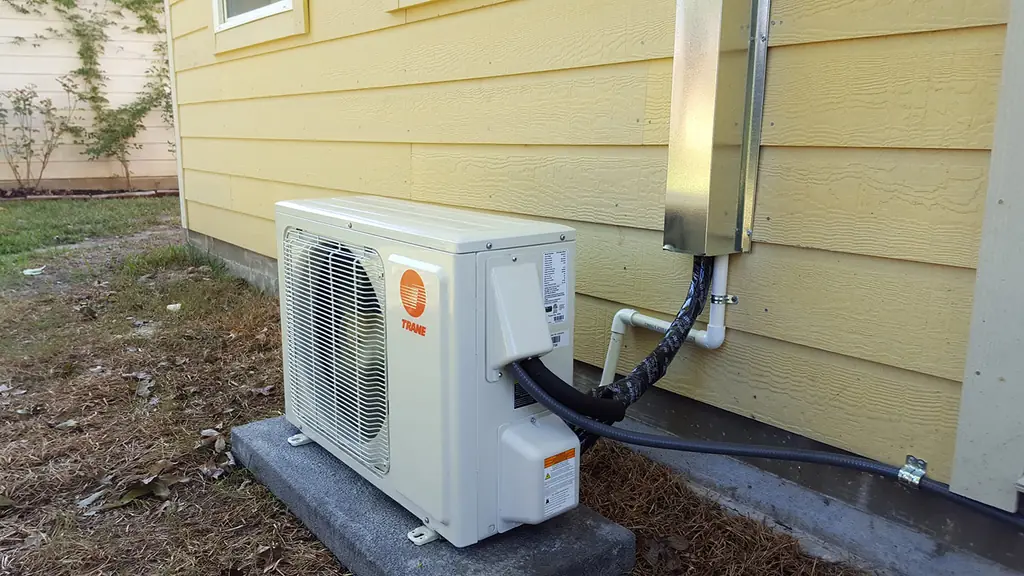
Every AC quote eventually lands on a number followed by the letters SEER, and most homeowners nod along without being totally sure what it means beyond "higher is better." That's not wrong, but it skips the part that actually matters when you're deciding what to spend: what that higher number is buying you, and whether it's worth the jump in price for your situation.
SEER, in plain terms
SEER stands for Seasonal Energy Efficiency Ratio. It's a measure of how much cooling a system produces over a typical season compared with how much electricity it uses to do it. A higher SEER rating means the equipment is squeezing more cooling out of the same amount of power. It doesn't tell you how big the unit is or how well it will control humidity in your specific house, it tells you how efficiently it converts electricity into cooling once it's running.
The rating usually tracks with what's inside the equipment. Higher SEER systems tend to use variable speed compressors and fans instead of a single on-off setting, which is also part of why they run quieter and cycle more gently. That's a real, tangible difference you'll notice day to day, not just a number on an energy label.
Comparing the three tiers honestly
Optimal Air Solutions publishes starting prices for a complete two ton Trane gas heating and AC system, including the furnace, across three efficiency tiers. Standard efficiency, up to 15.5 SEER, starts at $11,634. Performance efficiency, up to 17 SEER, starts at $12,330. Premium efficiency, up to 20 SEER, starts at $17,550. Those are the company's own published starting prices, and they're worth looking at side by side rather than just picking the tier that sounds best.
The jump from standard to performance is a few hundred dollars for a real step up in SEER. The jump from performance to premium is a much bigger increase in price for the next step up. Neither jump is automatically the right call for every house. A smaller home with good insulation and modest cooling demand may never run the equipment long enough or hard enough for the premium tier's efficiency gains to matter much. A larger home, a home with a harder cooling load, or a homeowner planning to stay in the house for many years and wanting the quietest, steadiest comfort available, is a different conversation.
What premium tier equipment adds beyond the SEER number
The premium tier is where you typically get Trane's TruComfort variable speed technology, which adjusts output in increments as small as one tenth of one percent and holds the house within half a degree of the thermostat setting. That's a genuinely different comfort experience from a system that's either fully on or fully off. It's often paired with Trane's Hyperion air handlers, which use insulated, refrigerator-styled cabinets that virtually eliminate condensation and cut down on operating noise. Those aren't marketing flourishes, they're specific engineering choices that show up as a quieter house and less humidity swing between cycles.
Financing changes the comparison
Because the price gap between tiers can be significant, it's worth knowing that Optimal Air Solutions offers financing through Wells Fargo Bank, with promotional plans at 0% APR over 24, 36, 48, or 60 equal monthly payments, subject to credit approval. Spread over five years, the monthly difference between a performance system and a premium one is a much smaller decision than the sticker prices suggest side by side. There are also current offers worth asking about, including a free UV light or thermostat with any complete system installation, and CenterPoint rebates of up to $3,635 for homeowners in CenterPoint's service area installing a qualifying complete system.
The honest answer to "which SEER tier should I get" is that it depends on your home, your budget, and how long you plan to stay in the house, not on which number looks most impressive on a proposal. A technician who walks you through your specific load and your specific electric bill history can tell you where the real payoff sits. Optimal Air Solutions has been an independent Trane Comfort Specialist for more than 10 years and can walk through all three tiers for your house specifically at (832) 779-1008.
Optimal Air Solutions — (832) 779-1008
Call (832) 779-1008More articles
Why the Biggest AC Isn't the Best AC for Your Houston Home
An air conditioner that's too big for your house can leave rooms cold and the air clammy at the same time. Here's why size matters more than horsepower.
The Furnace Check That Saves Houston Homeowners From a Bad First Cold Night
A furnace that hasn't run since last winter is exactly the kind of equipment that fails on the coldest night of the year. Here's what a real pre winter check covers.